Iran Issues Ultimatum on Hormuz, Nuclear Tensions Rise
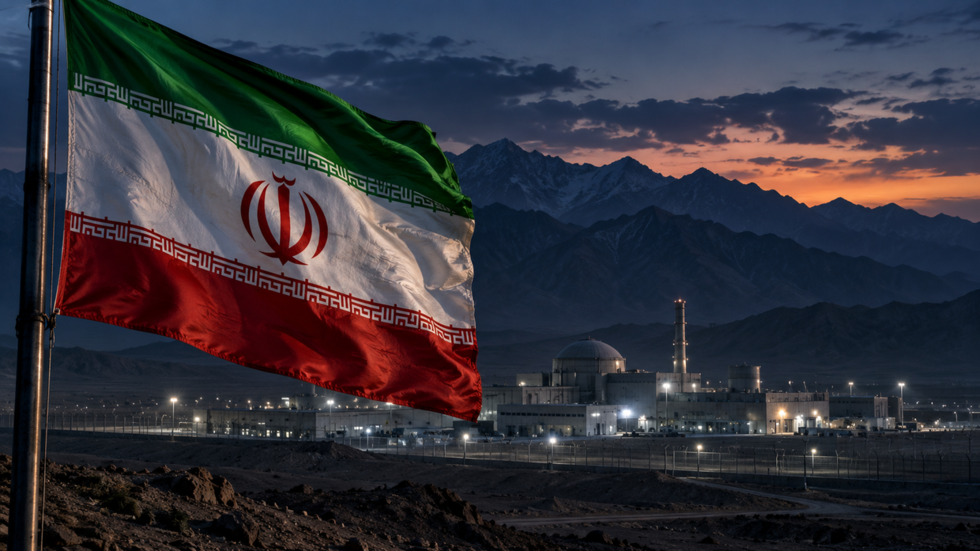
- Iranian Security Chief Sets Conditions, Warns on Hormuz
- Israeli Intelligence Warns of Iranian-Backed Drone Attacks on European Bases
- Iranian Deputy Warns of Consequences for Parliament Speaker
- Nuclear Tensions Resurface as Netanyahu Claims Iran Seeks Weapons
- Iranian Rial Plunges, Central Bank Intervenes
- Education Crisis: Over 140,000 Students Not Attending School
- Gulf States Juggle Challenges as Houthis Advance and Iran Talks Stall
- US Offers Reward for IRGC Leaders, Hamas Warns on Kite Flying
- Regional and Global Implications
Iranian Security Chief Sets Conditions, Warns on Hormuz
In a dramatic escalation of rhetoric, Iran’s top security official, Ali Rezaee, announced that Tehran had presented seven conditions to the United States and made clear that the strategic Strait of Hormuz would not be reopened to American vessels. Rezaee also stated definitively that no negotiations would take place under current circumstances, signaling a hardening of Iran’s stance amid ongoing tensions over its nuclear program and regional influence.
The Strait of Hormuz, a narrow waterway connecting the Persian Gulf to the Gulf of Oman, is a critical chokepoint for global oil shipments. Approximately 20 percent of the world’s petroleum passes through the strait, making any threat to its navigation a matter of international concern. Iran has periodically threatened to close the strait in response to sanctions or military pressure, though such threats have not been fully realized in recent years.
Rezaee’s comments came as part of a broader statement outlining Iran’s red lines in any potential dialogue with Washington. The seven conditions, though not fully detailed in public, are believed to include demands for the lifting of all sanctions, guarantees of non-interference in Iran’s internal affairs, and recognition of Tehran’s regional security role. The United States has not officially responded to the conditions, but the White House has repeatedly stated its willingness to engage diplomatically if Iran returns to compliance with the 2015 nuclear deal.
Israeli Intelligence Warns of Iranian-Backed Drone Attacks on European Bases
Israeli intelligence agencies have reportedly warned of possible Iranian-backed attacks on US military facilities in Europe, including Ramstein Air Base in Germany, Spangdahlem Air Base, and RAF Fairford in the United Kingdom. The alerts, shared with allied governments, express particular concern over potential drone strikes, which have become a hallmark of Iranian and proxy operations in recent conflicts.
Ramstein serves as a key hub for US air operations in Europe and is a command center for NATO missions. Spangdahlem hosts US fighter squadrons and support units, while RAF Fairford is a base for strategic bombers and intelligence aircraft. An attack on any of these installations would mark a significant escalation in Iranian operations outside the Middle East and could trigger a broader military confrontation.
Israeli officials have not publicly confirmed the intelligence, but the warnings align with a pattern of increased Iranian activity in Europe. In recent months, several plots linked to Iranian intelligence have been disrupted, including plans to target dissidents and Israeli diplomats. The use of drones, which are difficult to detect and intercept, poses a new challenge for European air defense systems.
Iranian Deputy Warns of Consequences for Parliament Speaker
In a separate development, Mohammad Manan Raeisi, a prominent Iranian figure, disclosed that he had contacted the office of Parliament Speaker Mohammad Ghalibaf to recommend cancellation of a court judgment. Raeisi insisted that the imprisonment of certain individuals would lead to a loss of respect for the speaker and undermine the authority of parliament. The nature of the case was not fully disclosed, but it appears related to the ongoing crackdown on dissent and public expression.
The court had found a performance by a woman without a hijab to be in violation of public decency laws, specifically citing the production and publication of obscene and immoral content on cyberspace platforms. Iran has intensified enforcement of its mandatory hijab laws in recent years, with authorities using surveillance and legal action to target women who appear in public without the headscarf. The case has drawn criticism from human rights groups, who argue that such prosecutions violate freedom of expression and gender equality.
Nuclear Tensions Resurface as Netanyahu Claims Iran Seeks Weapons
Israeli Prime Minister Benjamin Netanyahu added to the tension by stating that President Trump had announced that Iran is trying to arm itself again with nuclear weapons. Netanyahu said, “President Trump announced this evening that Iran is trying to arm itself again with nuclear weapons. That is true.” The statement aligns with long-standing Israeli warnings about Iran’s nuclear ambitions and comes amid reports that Tehran has enriched uranium to levels close to weapons-grade.
Iran has consistently denied seeking nuclear weapons, insisting that its nuclear program is for peaceful purposes. However, the International Atomic Energy Agency (IAEA) has reported that Iran has enriched uranium to 60 percent purity, a level that has no civilian application and is just a short technical step away from the 90 percent threshold required for a warhead. The IAEA also noted that Iran has blocked access to some inspection sites, raising concerns about undeclared nuclear activities.
Netanyahu’s comments were echoed by US President JD Vance, who said on Thursday that the United States was investigating a strike related to Iran. “We’re investigating it because obviously we care. We want to know,” Vance said, though he did not provide details on the specific incident. The investigation suggests that Washington is closely monitoring Iranian actions and may be preparing a response.
Iranian Rial Plunges, Central Bank Intervenes
On the economic front, Iran’s central bank announced it was ready to inject up to $2 billion into the foreign exchange market to calm recent volatility. The Iranian rial plunged to a record low in August, reflecting the impact of international sanctions, domestic mismanagement, and political uncertainty. The currency’s collapse has fueled inflation, with prices for basic goods rising sharply, and has eroded public confidence in the government’s economic policies.
The central bank’s intervention is aimed at stabilizing the exchange rate and preventing further depreciation. However, analysts remain skeptical about the long-term effectiveness of such measures without structural reforms and a resolution to the sanctions regime. The rial’s decline has also been exacerbated by a drop in oil revenues, which are Iran’s primary source of foreign currency.
Education Crisis: Over 140,000 Students Not Attending School
Rezvan Hakimzadeh, Iran’s deputy minister of primary education, confirmed that 140,562 students were identified as not attending school last year. The figure represents a significant number of children and adolescents who are missing out on education, raising concerns about long-term social and economic consequences. The reasons for non-attendance include poverty, child labor, displacement, and lack of access in rural areas.
Human rights groups have criticized the Iranian government for failing to ensure universal education, particularly for girls and minority groups. The COVID-19 pandemic exacerbated the problem, with school closures and limited online access affecting millions of students. The government has announced plans to address the issue, but progress has been slow.
Gulf States Juggle Challenges as Houthis Advance and Iran Talks Stall
Saudi Arabia is facing a complex set of challenges as Houthi forces continue to advance in Yemen and negotiations between Iran and Gulf states are postponed. Riyadh’s reliance on the US Central Command (CENTCOM) has grown increasingly important for the kingdom’s security. The Houthis, who are backed by Iran, have launched drone and missile attacks on Saudi targets, including oil facilities and airports, disrupting the kingdom’s economy and daily life.
The postponement of talks between Iran and Gulf states, which were intended to de-escalate tensions and address security concerns, has left a diplomatic vacuum. Saudi Arabia is now balancing its need for US military support with its desire to maintain a degree of independence in foreign policy. The situation is further complicated by the US withdrawal from Afghanistan and the Biden administration’s focus on great power competition with China and Russia.
US Offers Reward for IRGC Leaders, Hamas Warns on Kite Flying
In a related development, the United States has offered a $10 million reward for information on senior leaders of Iran’s Islamic Revolutionary Guard Corps (IRGC). The reward is part of the US Rewards for Justice program, which aims to disrupt terrorist networks and bring wanted individuals to justice. The IRGC has been designated as a foreign terrorist organization by the US, and its leaders are accused of involvement in attacks on US forces and allies.
Meanwhile, Hamas and a Gazan NGO committee have warned parents to stop their children from flying kites after Israel threatened strikes. The kites, which are sometimes used to carry incendiary devices, have sparked fires in Israeli farmland and forests. The warning reflects the tense situation along the Gaza border, where periodic escalations have led to casualties on both sides.
Regional and Global Implications
The convergence of these events underscores the volatile nature of the current geopolitical landscape in the Middle East. Iran’s hardline stance on the Strait of Hormuz, combined with its nuclear advances and support for proxy forces, poses a direct challenge to US and allied interests. The Israeli intelligence warnings about drone attacks on European bases suggest that Tehran is willing to expand its operations beyond the region, raising the stakes for international security.
The economic crisis in Iran, marked by the plunging rial and high inflation, could further destabilize the regime and lead to increased repression. The education crisis, with over 140,000 children out of school, highlights the long-term challenges facing Iranian society. Meanwhile, the dynamics in Yemen and the Gulf reflect the broader struggle for influence between Iran and Saudi Arabia, with the US playing a pivotal role.
As the situation evolves, the international community will be watching closely for any signs of de-escalation or further confrontation. The coming weeks will be critical in determining whether diplomatic channels can be reopened or whether the region will slide into a new cycle of violence.
Source Reference (jpost.com): Iran News
Frequently Asked Questions (FAQ)
What conditions did Iran present to the US regarding the Strait of Hormuz?
Iran’s security chief Ali Rezaee stated that Tehran presented seven conditions to the US, including that the Strait of Hormuz would not be opened to American vessels and that no negotiations would take place. The full list of conditions has not been publicly detailed but is believed to include demands for sanctions relief and recognition of Iran’s regional role.
Which European US bases are reportedly at risk of Iranian-backed drone attacks?
Israeli intelligence has warned of possible Iranian-backed attacks on Ramstein Air Base in Germany, Spangdahlem Air Base, and RAF Fairford in the United Kingdom. The warnings specifically cite concerns over potential drone strikes.
What is the current status of Iran’s nuclear program?
Iran has enriched uranium to 60 percent purity, close to weapons-grade levels, and has blocked some IAEA inspections. Israeli Prime Minister Netanyahu claimed that Iran is trying to arm itself with nuclear weapons, a charge Tehran denies.
How many students are not attending school in Iran?
Rezvan Hakimzadeh, deputy minister of primary education, confirmed that 140,562 students were identified as not attending school last year, due to factors such as poverty, child labor, and lack of access.