Controversial Spiritual Fitness Office at Pentagon Raises Concerns
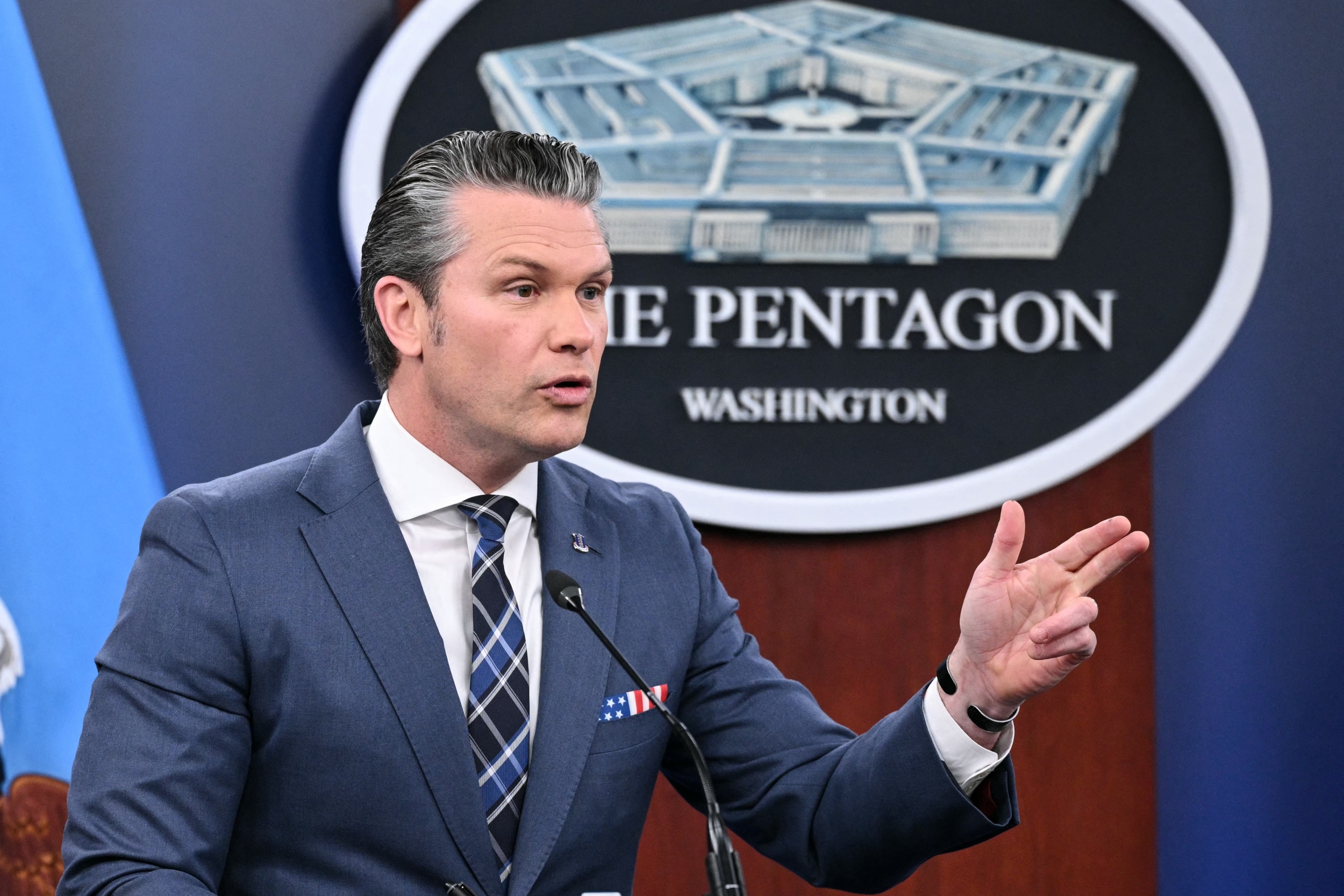
- The Pentagon’s New Office of Religious Affairs
- Direct Reporting Structure
- Hegseth’s Vision for Military Spirituality
- Controversial Changes to Religious Recognition
- Concerns from Within the Chaplaincy
- Theological Underpinnings of Hegseth’s Agenda
- Implications for the Future of Military Spirituality
- Conclusion
The Pentagon’s New Office of Religious Affairs
A recent establishment within the U.S. Department of Defense has stirred significant controversy and concern among legal experts, military personnel, and advocates of religious freedom. The Office of Religious Affairs, under the direction of Pete Hegseth, has been granted the authority to evaluate the spiritual fitness of American troops for combat. This office reports solely to the Secretary of Defense, bypassing any departmental oversight or review layers, which raises serious questions about accountability and the implications for religious liberty within the armed forces.
Direct Reporting Structure
During a speech at Marine Corps Base Quantico, Virginia, on September 30, Hegseth emphasized that the new office would operate with a direct line to the highest levels of military leadership, stating it would “report straight to the top.” This declaration indicates a significant shift in how military chaplains and spiritual fitness are integrated into the military’s operational framework.
A memo released the same day outlined the office’s responsibilities, which include overseeing military chaplains and controlling certification for new chaplains. Additionally, the office is tasked with conducting research on spiritual fitness using various analytical tools and technologies. Funding for initiatives such as faith-based suicide prevention programs and educational assistance for military families is also prioritized in the memo. The first comprehensive report on unfunded religious affairs requirements is expected within 90 days, placing further pressure on the office to define its objectives and metrics.
Hegseth’s Vision for Military Spirituality
Hegseth’s efforts to intertwine military readiness with Christian faith have raised alarms among constitutional lawyers and religious liberty advocates. His previous critiques of the Army’s Spiritual Fitness Guide, which he claimed inadequately referenced God, reflect a broader agenda to reshape military spirituality. Hegseth’s directive to eliminate the guide and replace chaplains’ rank insignia with religious symbols underscores his intent to redefine the role of military chaplains from a clinical to a pastoral focus.
Moreover, Hegseth hosts monthly Christian worship services at the Pentagon, which some legal scholars view as unprecedented in modern military history. During a service in March, amid ongoing military actions, he led prayers that called for divine retribution against adversaries, further blurring the lines between military duty and religious advocacy.
Controversial Changes to Religious Recognition
In a significant policy change, a memorandum signed by Undersecretary of Defense Anthony Tata in May 2026 reduced the number of officially recognized religions within the military from over 200 to just 31, with a disproportionate emphasis on Christian denominations. This revision has excluded atheists, pagans, humanists, and Wiccans from the official list, which critics argue violates the First Amendment’s protection of religious diversity.
Responses from active-duty personnel have been swift and critical. An airman expressed outrage upon discovering the removal of the option to identify as an atheist, a choice they had held throughout their service. The Military Religious Freedom Foundation has reported receiving over 200 complaints from service members across more than 50 military installations regarding the changes in religious recognition.
Concerns from Within the Chaplaincy
Internal dissent within the military chaplaincy has also emerged in response to these changes. Some chaplains have expressed concern that the emphasis on spiritual fitness is being framed as inherently religious, raising constitutional questions. Reports indicate that there is an ongoing effort to ensure chaplains align ideologically with Hegseth’s religious perspective, which many view as an infringement on their First Amendment rights.
Advocates for chaplains have noted that many are reluctant to voice their concerns due to fears of potential career repercussions. The perception that chaplain promotion opportunities are increasingly tied to one’s visible adherence to Hegseth’s religious worldview has exacerbated these fears.
Theological Underpinnings of Hegseth’s Agenda
Pete Hegseth’s religious affiliations provide critical context for understanding his approach to military spirituality. As a member of the Communion of Reformed Evangelical Churches, Hegseth aligns with a conservative theological network that advocates for the integration of Christian principles into government structures. This affiliation has been cited as a driving force behind the Pentagon’s new religious office and its initiatives.
Doug Wilson, a prominent figure in Hegseth’s denomination, has publicly espoused a vision of “mere Christendom,” advocating for a global acknowledgment of Jesus Christ’s authority in governance. Critics argue that this ideology significantly influences the Pentagon’s evolving religious policies.
Implications for the Future of Military Spirituality
The 90-day reporting deadline established in the recent memo places the first spiritual fitness baseline report on Hegseth’s desk by late December 2026, coinciding with the seating of a new Congress following the midterm elections. The metrics developed to define and assess spiritual readiness will ultimately determine the allocation of research funds across the chaplaincy. Legal experts warn that this could lead to a system where theological alignment is monitored and potentially rewarded within military ranks.
Rachel Laser, president of Americans United for Separation of Church and State, has raised critical questions regarding the military’s role in upholding the Constitution. She argues that the military’s primary function is to defend constitutional principles rather than promote specific religious beliefs. The ongoing debate surrounding the Office of Religious Affairs will likely continue to evolve, as service members from diverse backgrounds grapple with the implications of these changes on their rights and identities.
Conclusion
The establishment of the Office of Religious Affairs within the Pentagon marks a pivotal moment in the intersection of military service and religious belief. As the office begins its work under Hegseth’s direction, the ramifications for both military personnel and the broader discourse on religious freedom will be closely scrutinized. The question remains whether this initiative can reconcile the need for spiritual support within the military with the constitutional mandate for religious neutrality.
Source Reference (latintimes.com): Pete Hegseth's 'Spiritual Fitness' Office: What It Does, Who It Leaves Out and Why Lawyers Are Alarmed
Frequently Asked Questions (FAQ)
What is the purpose of the Office of Religious Affairs?
The Office of Religious Affairs assesses the spiritual fitness of American troops and oversees military chaplains, reporting directly to the Secretary of Defense.
What concerns have been raised regarding this office?
Critics argue that the office infringes on First Amendment rights, marginalizes non-Christian faiths, and could lead to ideological conformity among chaplains.